Why treatment matters
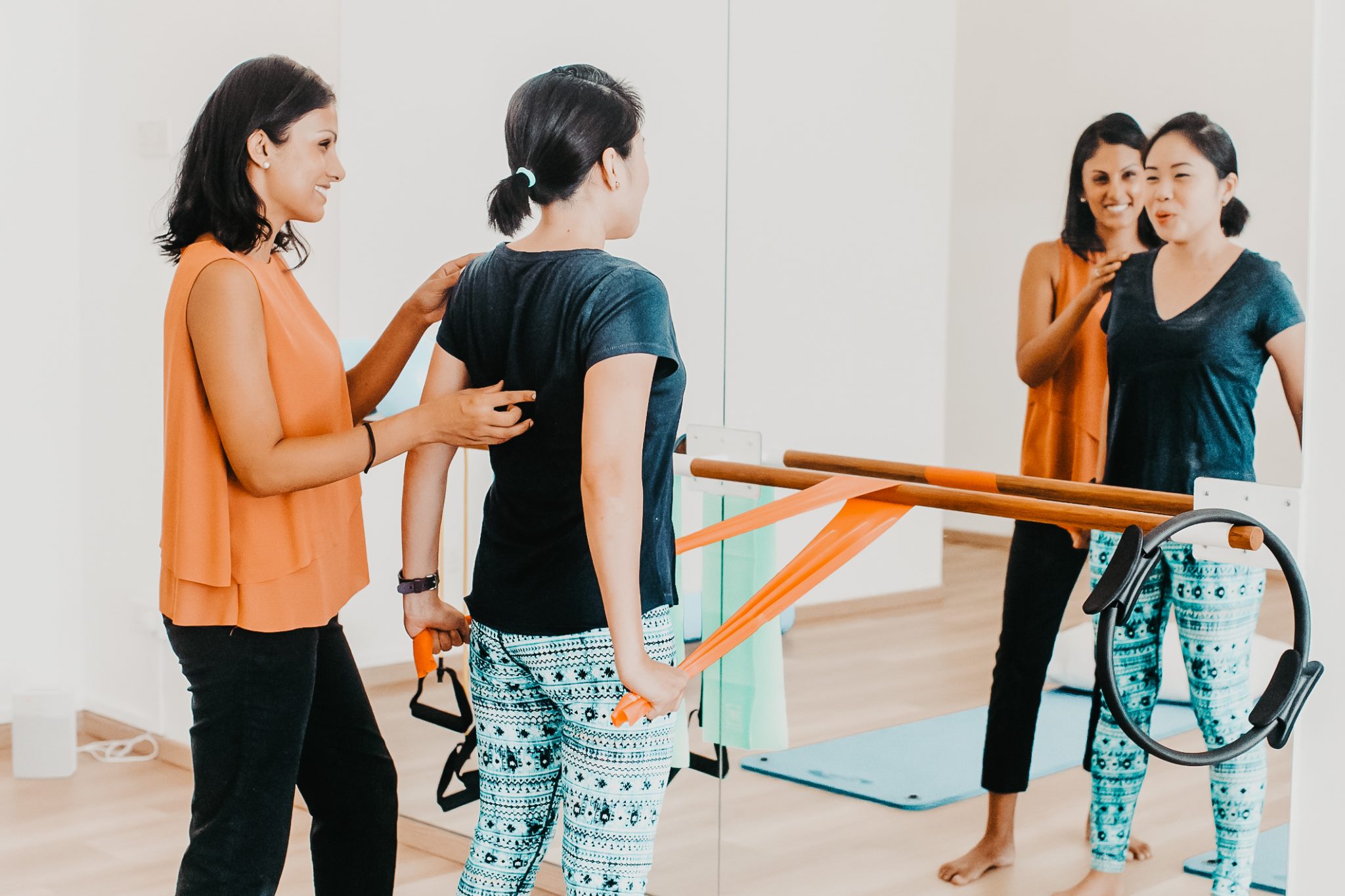
At Embrace Physio, we don’t believe that pregnancy is synonymous with pain! Studies show that prenatal physiotherapy helps reduce pregnancy-related discomforts and promotes a smoother labour. It also quickens postpartum recovery, which can be further bolstered by postnatal physiotherapy. Postnatal physiotherapy is also an opportunity to put yourself first at a time when self-care can take a back seat.
What we can help with
- Pregnancy pelvic floor assessment
- Your 6-week postnatal assessment
- Pelvic pain (including pelvic girdle and vulvar varicosities)
- Muscle and joint pain (lower back, sciatica, pubic symphysis, hip/groin, wrist, neck, coccyx)
- Bowel and bladder control (urinary incontinence, urgency, constipation, fecal incontinence)
- Abdominal separation (diastasis recti)
- Vaginal birth recovery (perineal tears/episiotomy, OASIs – 3rd and 4th degree tears, perineal scar tissue healing, pelvic floor muscle recovery, levator ani defects)
- C-section recovery (scar tissue healing and pelvic floor muscle recovery)
- Pain during or after intercourse (dyspareunia, vaginismus, vulvodynia)
- Return to exercise with 1:1 clinical exercise and Pilates
- Group exercise classes
- Birth prep

What you can expect
1. Explore
• Diagnosis, hands-on care, and clinic sessions from day one.
• Have your pelvic floor function safely and expertly assessed.
• Share any concerns and symptoms you have.

2. Educate
• Set goals together and create a tailored treatment plan.
• Clear guidance on next steps and expectations.
• Continue building your toolkit with exercises, movement strategies, and more!

3. Equip
• Continued hands-on care and clinic sessions with your long-term wellbeing in mind.
• At-home care becomes increasingly important!
• Exercises tailored to fit your goals, environment, and schedule.
4. Engage
• Transitioning from hands-on care to movement-based strategies for resilience.
• Progressing to 1:4 small group classes to build strength and control.
• Gradually returning to activities you once avoided.

5. Establish
• Refining movement quality and solidifying good habits.
• Adding complexity and challenge to your movement patterns.
• Building confidence, strength, and enhancing your everyday life.

6. Embrace
• You’ve come a long way from where we started…
• Stay in tune with your body and address early signs of discomfort.
• Whether nearing your due date or embracing motherhood, continue to prioritize your health and wellbeing!

Get started with prenatal care at Embrace Physio — and feel your best throughout your motherhood journey.

Pre & Postnatal Physiotherapy FAQs
The vaginal exam stands as the gold standard for assessment of the pelvic floor. But if there are any medical constraints, or you simply do not want to have the exam, we can do a transperineal ultrasound assessment or an external vaginal exam instead.
- Pelvic floor assessment to determine function — done via internal vaginal exam or real-time ultrasound
- Goal-setting and individualised management plan
- Pelvic floor physiotherapy to better support your core
- Massage therapy to release tension, improve circulation, and promote relaxation
- Nervous system regulation to manage stress and promote emotional well-being
- Clinical exercise & physical activity to rebuild strength and fitness
- Lifestyle modifications to manage symptoms and support health and well-being
- Any referrals to relevant health professionals.
The hormonal, physiological and biomechanical changes in pregnancy can mean muscles, ligaments and joints are more sensitive and lax, contributing to muscle and joint pain. Muscles may also be weak or tight due to a lack of timing and coordination. But while pains like neck, back, pelvic girdle, hip, rib and wrist pain are common — they aren’t necessarily normal. A women’s health physiotherapist can help alleviate your pain and prepare your body for birth.
No. Regardless of mode of delivery, all mums can benefit. Embrace Birth gets you ahead of the curve by optimising your pelvic health and whole-body strength to not only prepare for birth, but to kickstart your recovery. Think of it like prehab for your fourth trimester!
Whether you’ve had a vaginal delivery or C-section, caring for yourself in the fourth trimester is key. The first six weeks are vital for healing, so after your 6-week OBGYN check-up, make a postnatal physiotherapy appointment to support your full-body recovery. We’ll address pregnancy-related issues like bladder or bowel changes, diastasis recti, pelvic pain, mastitis, or joint discomfort. If you’re experiencing pain or dysfunction sooner, don’t wait — early support can make all the difference.
Yes, we may recommend, or it may be your preference to experience dry needling as a part of your treatment plan. If you are specifically enquiring about dry needling, please let us know the time of booking to ensure you get the right women’s health physiotherapist.
After your six-week check-up with your OBGYN is ideal. Waiting for this allows your body to naturally undergo its healing process. However, if you are feeling discomfort anywhere, suffered from a forceps delivery, or are particularly keen to return to exercise, please reach out and book an appointment sooner; your well-being is our priority, and we want to support all new mums to embrace their body and life.
If you have any discomfort or concern whatsoever — reach out to us early; life can already be tough with a newborn, so let’s take the guesswork out of your recovery.
Reach out to Embrace Physio if you are experiencing any of the following: bowel changes like constipation or haemorrhoids; bladder changes like leakages; pelvic pain and pressure including prolapses; perineal trauma and muscle and joint pain including neck, back and wrist.
Typically, OBGYNs will clear you for exercise 6 weeks postpartum for vaginal delivery mums and 6-8 weeks for C-section mums. However, experience and research indicate that some women may return sooner, while others might need to wait longer. An individualised assessment can help determine your unique timeline and get you back to doing things sooner than 6 weeks in some cases.