Why Embrace Birth matters
Did you know that 1 in 3 first-time mothers tense their pelvic floor muscles instead of relaxing them at the end of pregnancy? This can make labour longer and more difficult, increasing the risk of a prolonged second stage (81 minutes vs. 63 minutes on average).
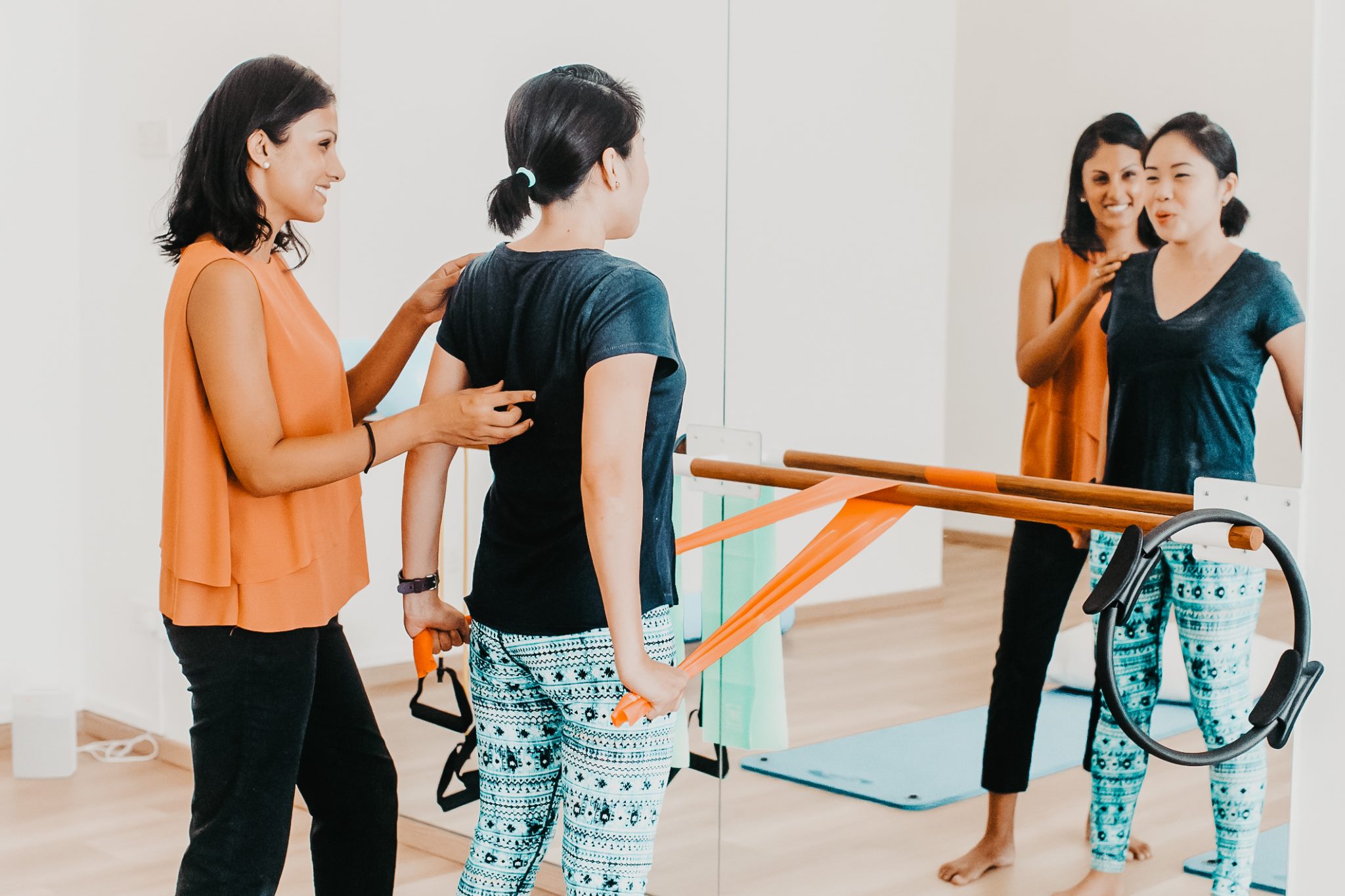
Studies suggest that women who engage in pelvic floor physiotherapy may experience a smoother pregnancy, labour and recovery. So with a mix of pelvic floor physiotherapy, massage therapy, nervous system regulation techniques and clinical exercise & Pilates, Embrace Birth equips your body to move and adapt through pregnancy and birth.

What you can expect
Over six appointments — from 20 weeks to 40 weeks — prepare for a smooth birth experience with comprehensive pelvic floor assessment, personalised whole-body exercise program, and manual therapy. We can begin your journey earlier if needed—care starts when you’re ready.
Your 20-week appointment
- Initial pelvic floor and musculoskeletal assessment
- Begin tailored pelvic floor exercises to improve strength or mobility based on your needs
- Optimisation of bladder and bowel health—because leakage or constipation shouldn’t be part of your pregnancy experience
- Personalised exercise plan to keep you active, confidently!
- Address any concerns, including common pains and discomfort, such a back pain, pelvic girdle pain and more…
- Discuss if further appointments are needed before 30 weeks

Your 30-week appointment
- Safe space to discuss previous birth experiences, where relevant
- Review and understand your birth plan
- Education on:
- Anatomy and stages of labour
- Breathing techniques
- Perineal trauma and protection strategies
- Pain management options
- Personalised exercise program with stretches and strengthening to prepare your pelvis and whole body for birth
- Recommendation for prenatal bodywork to optimise fetal positioning regardless of mode of delivery

Your 34-week appointment
- Focus on perineal massage and/or Epi-No training
- Teach self and partner-assisted techniques to reduce risk of tearing
- In-clinic demonstration and practice for confidence
- Continue pelvic floor strengthening and improving tissue flexibility (distensibility) through manual therapy, at home exercises and personalised advice
- For mums preparing for a C-section, we continue to prioritise whole-person wellbeing while guiding you on techniques to encourage optimal baby positioning.
Your 36 to 40-week appointment
- Practice breathing techniques and birthing positions for pain management and effective delivery
- Discuss postpartum recovery expectations and learn what to do ahead of time.
- Measure for SRC recovery wear or Tubigrip
- For higher-risk cases, recommend weekly appointments to support pelvic floor health outcomes

Did you know that 1 in 3 first-time mothers tense their pelvic floor muscles instead of relaxing them at the end of pregnancy?

Pregnancy FAQs
We can definitely see you earlier for prenatal physiotherapy — but for Embrace Birth, given the volatility of the first trimester, internal vaginal exams will only take place from the second trimester onwards.
The vaginal exam stands as the gold standard for assessment of the pelvic floor. But if there are any medical constraints, or you simply do not want to have the exam, we can do a transperineal ultrasound assessment or an external vaginal exam instead.
While an OBGYN manages medical risks, complications, and ensures medical safety during pregnancy and delivery, Embrace Birth focuses on preparing your body for a positive birth and recovery.
Together, we provide a comprehensive support system for your medical, physical, emotional and mental well-being throughout pregnancy, birth and recovery.
The hormonal, physiological and biomechanical changes in pregnancy can mean muscles, ligaments and joints are more sensitive and lax, causing muscle and joint pain. Muscles may also be weak or tight due to a lack of timing and coordination. But while pains like neck, back, pelvic girdle, hip, rib and wrist pain are common — they aren’t necessarily normal. A women’s health physiotherapist can help alleviate your pain and prepare your body for birth.
No — but we do write you a personalised pelvic floor and whole-body exercise program. We also run weekly 45-minute pregnancy exercise classes which may be a great compliment to your 1:1 prenatal appointments, check in with your women’s health physiotherapist on suitability.
Whether you’ve had a vaginal delivery or C-section, caring for yourself in the fourth trimester is key. The first six weeks are vital for healing, so after your 6-week OBGYN check-up, make a postnatal physiotherapy appointment to support your full-body recovery. We’ll address pregnancy-related issues like bladder or bowel changes, diastasis recti, pelvic pain, mastitis, or joint discomfort. If you’re experiencing pain or dysfunction sooner, don’t wait — early support can make all the difference.
No. Regardless of mode of delivery, all mums can benefit. Embrace Birth gets you ahead of the curve by optimising your pelvic health and whole-body strength to not only prepare for birth, but to kickstart your recovery. Think of it like prehab for your fourth trimester!